Pakistan’s partial death penalty reform sparks calls amid human rights concerns
The decision to remove the death penalty for just two crimes—while leaving other capital punishments intact—has raised eyebrows across human rights circles
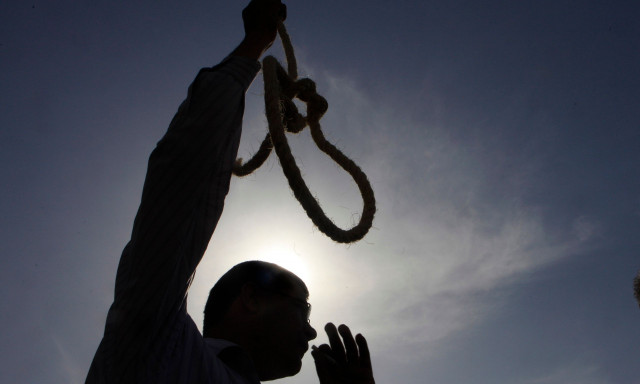
A recent decision by Pakistan’s Senate to abolish the death penalty for two specific crimes has stirred significant debate within the country, prompting vocal demands from Christian activists and human rights advocates for broader reforms—particularly concerning the highly contentious issue of blasphemy laws.
While the legislative move has been hailed in some quarters as a step toward modernising Pakistan’s penal system, critics remain sceptical, viewing it as a strategic, calculated effort aimed more at preserving economic advantages than at championing genuine human rights progress.
On July 18, Pakistan’s upper house passed the Criminal Laws (Amendment) Bill, which replaces capital punishment with life imprisonment and monetary fines for two offences: public spoliation of a woman and aiding the hijacking of an airplane or public vehicle.
The bill, however, remains incomplete without the National Assembly’s approval and presidential assent, leaving its final status uncertain.
Despite this, the move has already ignited a wave of criticism, with many questioning the government’s motives and its sincerity in pursuing comprehensive human rights reforms.
Limited scope of reform and strategic calculations
The decision to remove the death penalty for just two crimes—while leaving other capital punishments intact—has raised eyebrows across human rights circles.
The selective nature of the reform appears inconsistent with a genuine commitment to abolishing capital punishment or addressing broader issues within Pakistan’s justice system.
Critics argue that by focusing narrowly on these two crimes, the government aims to signal progress to international observers, especially European trade partners, without confronting the more contentious and deeply rooted issues in the country’s legal framework.
The timing of the bill’s passage aligns conspicuously with Pakistan’s ongoing efforts to maintain lucrative trade privileges with European countries. The European Union (EU) has, in recent years, increasingly linked trade benefits to adherence to human rights standards.
Observers note that this legislative move may be more about preserving economic advantages than instituting meaningful change on the ground.
The shadow of blasphemy laws
One of the most contentious and internationally criticised aspects of Pakistan’s criminal justice system remains its blasphemy laws. These laws, which prescribe the death penalty and other severe punishments for perceived insults against religion, have long been a source of domestic and global human rights concerns.
The failure to include any reform of blasphemy-related offences in the recent bill has intensified calls from Christian activists, minority groups, and human rights defenders for a more comprehensive approach.
The blasphemy laws have been repeatedly condemned for their misuse and for fostering a climate of intolerance, where accusations can lead to mob violence, extrajudicial killings, and deep social divisions.
The lack of progress in addressing these laws reflects Pakistan’s ongoing struggle with balancing religious sensitivities, political pressures, and international human rights expectations.
Religious minorities and human rights advocates voice frustration
Christian activists and minority rights groups have responded to the Senate’s decision with a mixture of cautious optimism and frustration. While acknowledging the removal of the death penalty for two crimes as a modest advancement, many emphasise that without broader reforms, especially regarding blasphemy laws, the systemic persecution and legal vulnerabilities faced by religious minorities will persist.
Human rights organisations have criticised the government for what they perceive as superficial reforms that fail to tackle the root causes of injustice.
The continued existence of capital punishment for a wide range of offences, combined with weak legal protections for minorities, paints a grim picture for the state of human rights in Pakistan.
Political realities and social pressures
The reluctance to reform blasphemy laws or expand the death penalty is deeply intertwined with Pakistan’s complex social and political dynamics. Blasphemy remains a highly sensitive subject within the country, with powerful religious groups exerting significant influence over public discourse and policymaking.
Politicians often avoid pushing for reforms that could provoke backlash from conservative factions or risk social unrest. This environment creates a precarious situation where incremental reforms are the norm, but comprehensive changes remain elusive.
The government’s cautious approach reflects its need to navigate between international expectations and domestic political realities, often at the expense of more profound human rights progress.
International scrutiny and domestic doubts
International human rights bodies and foreign governments have closely watched Pakistan’s recent legislative moves. While some have welcomed the partial abolition of the death penalty as a step in the right direction, there is widespread scepticism about the depth and durability of these reforms.
The emphasis on economic incentives and trade benefits raises questions about whether the reforms are substantive or primarily performative. Within Pakistan, many citizens share these doubts.
The slow pace of legal reform, combined with persistent abuses and discrimination, has fostered cynicism regarding the government’s willingness to protect human rights effectively.
The gap between legislative announcements and real-world change continues to fuel public mistrust.
Unfinished legislative process
It is important to note that the Criminal Laws (Amendment) Bill’s passage in the Senate is only one step in a multi-stage legislative process. The bill must still clear the National Assembly and receive presidential assent before becoming law.
This procedural uncertainty adds another layer of complexity to an already contentious issue. Opposition voices in Parliament and civil society continue to debate the merits and shortcomings of the bill.
The ultimate fate of the legislation will likely depend on the evolving political climate, pressures from interest groups, and international engagement with Pakistan’s human rights agenda.
Pakistan’s recent move to abolish the death penalty for two crimes marks a limited and cautious step toward legal reform. However, the decision has drawn sharp criticism for its narrow scope and perceived strategic motivation tied to economic interests rather than a genuine commitment to human rights.
The exclusion of blasphemy laws from reform efforts remains a particularly glaring omission, highlighting the persistent challenges Pakistan faces in reconciling domestic pressures with international human rights norms.
As Pakistan navigates these complex dynamics, the voices of marginalised communities, activists, and human rights defenders continue to call for more substantive and inclusive reforms.
Until these demands are addressed, questions about the government’s dedication to advancing human rights will persist, underscoring the ongoing struggle for justice and equality in the country.