From 2016 forget the standard ticket!
Reduction in the price of the ticket on public transport for short distances will brought by the e-ticket, which is expected to get into full implementation in 2016.
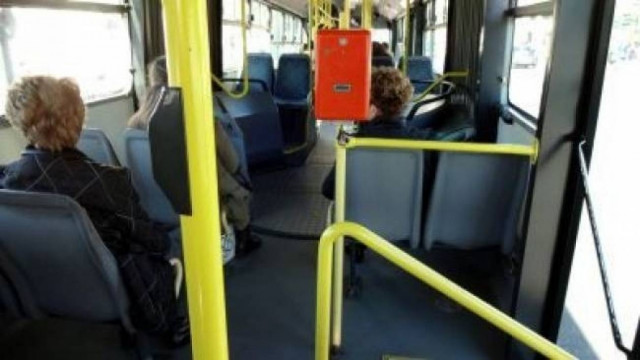
After two years the zonal billing system in urban transport will be put into practice and charges for the passengers will depend on the length of journey. Details were presented during a joint press conference of the Minister for Development, Kostis Chatzidakis, and the Minister for Infrastructure, Transport and Networks, Michalis Chrisochoidis, as the Automatic Fare Collection (ASSK), or e-ticket. Also, the installation of a telematic system will enable the upgrading of urban transport in Athens and serve the citizens.
The e-ticket will be fully implemented from scratch with the installation of all necessary equipment to public transport, while exploiting the potential and existing associated equipment from metro stations (control center and ticket vending machines) that will integrate with the subsystems of other public transport. Mounting bars in metros and suburban electric will be needed (estimated between January-August 2016), but also "tourniquet" in 1750 buses, 250 trolleybuses and 70 trams, while paper tickets will be cancelled.
For bars, the chairman of the OSCE Grigoris Dimitriadis said that they will be placed at 64 subway stations on lines 1, 2 and 3, the classic metro and suburban. As for the paper ticket, it will be replaced by “smart cards” of two types, of which the validation will be done remotely, without the passenger having to insert the card in the machine confirmatory. One type of e-ticket will replace commuter passes and other ticket strips.
The two types of “smart cards”:
- The “Multi”, a contactless smart card (Contactless Smart Card-SC) memory (without chip), in which can be stored monetary value (stored Value), time or numbers of trips and
- the “Card”, a smart contactless card (Contactless Smart Card-SC) microprocessor, which implements various fare products, for example, products unlimited travel, long or big stored value. On “smart cards” any data of the fare and use of necessary for the implementation of the product will be stored.
Validation of “smart cards” will be mandatory in every boarding. Passengers will validate the card by using the terminal device that is installed in the vehicle in case of road means (buses, trolleybuses, trams), while in the case of rail means (metro, urban and suburban rail) validation will be done in the inlet and outlet (mandatory and on the exit). In checks, the passenger will demonstrate the smart card he ratified by entering the vehicle or station. The audit will be done using a special portable device that controls smart cards. These two instruments won’t differ in terms of products they can implement and will normally be reusable by recharging them, which will take place at various outlets. So both could be implemented in time (weekly or monthly), number of movements (ticket 10 movements) or to save a sum of money (50 euros, “pay as you go”).