International Day for the Protection of the Ozone Layer 2014
This year's celebration of the International Day for the Protection of the Ozone Layer brings good news for the planet.
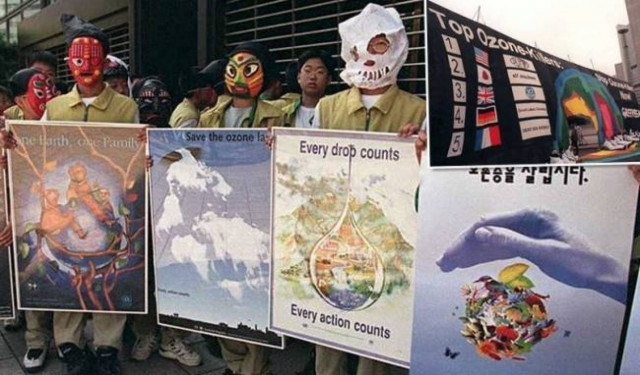
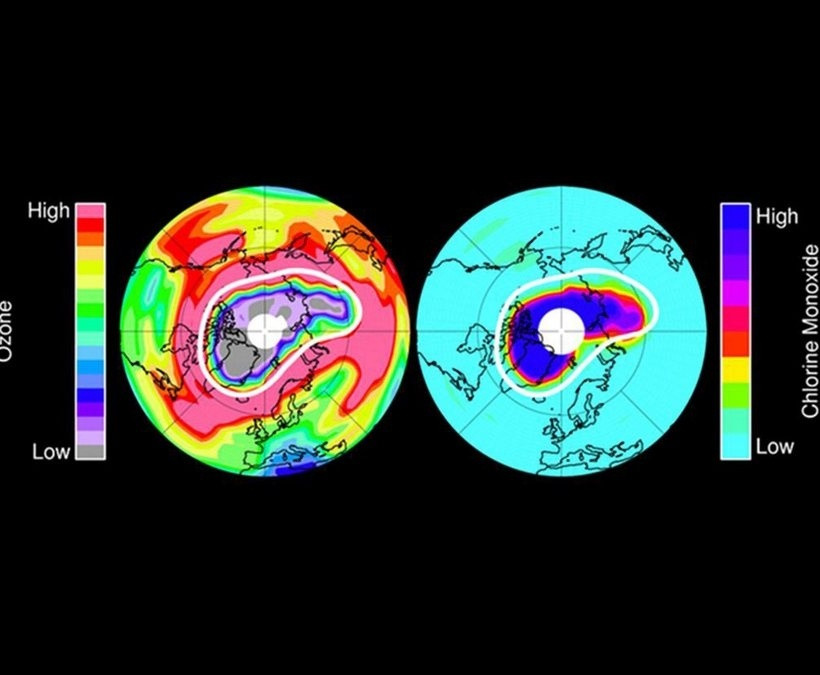
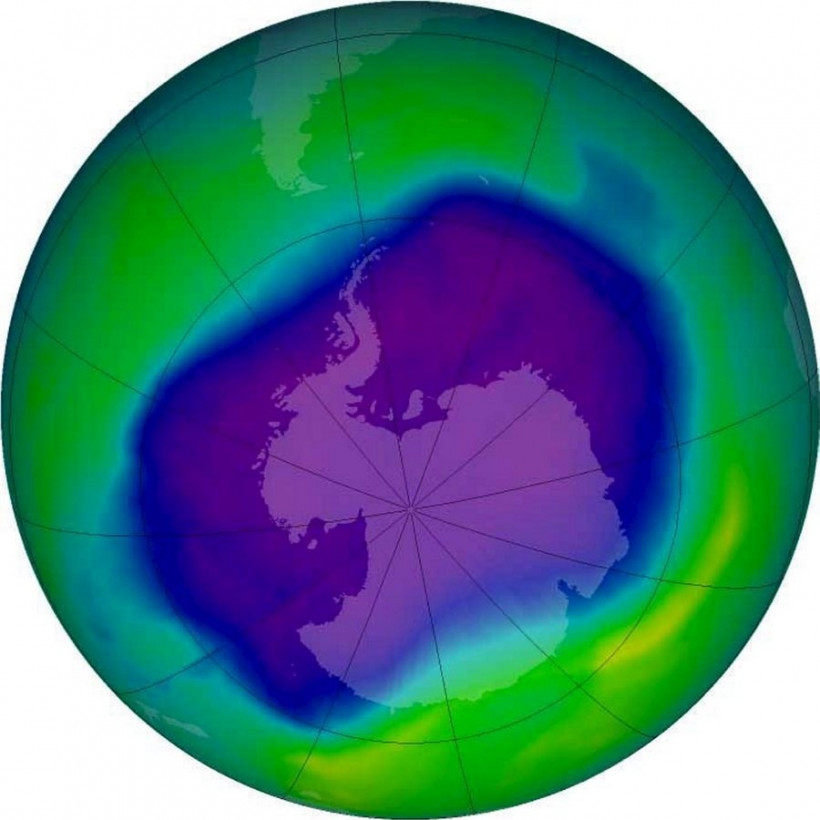
Both the United Nations Environment Program and the World Meteorological Organization said that for the first time in the last 35 years have seen a restoration of the vital ozone layer that surrounds the Earth, while the "hole" over Antarctica stopped growing.
In 1994 the United Nations declared September 16 as the International Day for the Protection of the Ozone Layer, as at that date had signed the 1987 Montreal Protocol, which is considered one of the most successful international agreements for the protection of the environment.
Since the early 1980s scientists began to sound the alarm about the weakening of the ozone layer and its harmful consequences. The coming years, in light of new scientific data, the greenhouse effect and the so-called "ozone hole" identified as a major threat to life on this planet, from human health to the flora and life in the oceans. The ultraviolet solar radiation, which because of the "ozone hole" reached the planet's surface, was identified as the cause of serious diseases on human health, such as skin cancer and cataract appearance that can lead to blindness.
Thus, in 1987 the international community decided to take action and the Montreal Protocol identified the chemicals that deplete the ozone layer, and agreed a regulation on the phase-out. The European Union ended in 1995 the use of most ozone-depleting substances such as chlorofluorocarbons (CFC), contained in spray cans and refrigerators.
The use of methyl bromide as a pesticide and hydrochlorofluorocarbons (HCFC) -which initially had replaced chlorofluorocarbons- (CFC) - have also been phased excluding some uses. In 2007, were adopted stricter rules on industrial waste, in order to ensure that the processing does not harm the ozone layer.
Since October 2006, when recorded the biggest "ozone holes" over Antarctica, the United Nations is more optimistic today, but warn that the need for vigilance remains valid.
"The mission continues" is the title given by the Organization at this year's International Day, while the UN Secretary General, Ban Ki-moon in his message said:
Recent scientific findings reveal the importance of the Montreal Protocol. Without the Protocol and associated agreements, atmospheric levels of ozone-depleting substances could have increased ten-fold by 2050. Concerted action has prevented millions of cases of skin cancer.
Specifically, scientists estimate that by 2030 will prevent 2 million cases of skin cancer per year. The major limitation is the use of chemicals that deplete the ozone layer has reached 98%.
According to the UN: "the Protocol has also significantly contributed to the fight against climate change, as many ozone-depleting substances are powerful greenhouse gases. Climate change is affecting communities, economies and ecosystems across the globe. It is essential that we act to mitigate the threat with the same unity of purpose as we have in facing the dangers of ozone depletion.
Let us take inspiration from our efforts to preserve the ozone layer. The Montreal Protocol has shown that decisive action by the international community, including the private sector, can achieve transformative results for the common good. Let us learn from this example and apply its lesson to the urgent task of addressing the climate challenge".
However, the planet is still far from healing its wounds, since as estimated by scientists the ozone layer over Antarctica will not return to pre-1980 levels until 2050-2060.